Tuesday, 31 December 2019

Dead Wood is so ALIVE

Happy New Year to all Filnore Woods Blog readers!  

As the old year dies, the new year begins.  New life springs from death, not only with years but also in nature.

Dead wood is full of life whether it's fungi, beetles, fly larvae or springtails.  

Fungi recycling dead wood

lesser stag beetle


Tipula maxima - a crane fly with beautiful wing patterns

a springtail - tiny creatures in the soil and leaf litter

or the predators that feed on them

          
 Nuctenea umbratica hides under dead tree bark                                        Woodpeckers find insects in dead wood

Centipedes predate other invertebrates

If you would like to follow up some fascinating stuff about dead wood, have a look at the latest edition of the Woodland Trust periodical by clicking on   Woodwise

OR

watch the Sunday before last edition of BBC1's Country File from Tyntesfield on i-player.
The bit about dead wood is near the end.


Monday, 30 December 2019

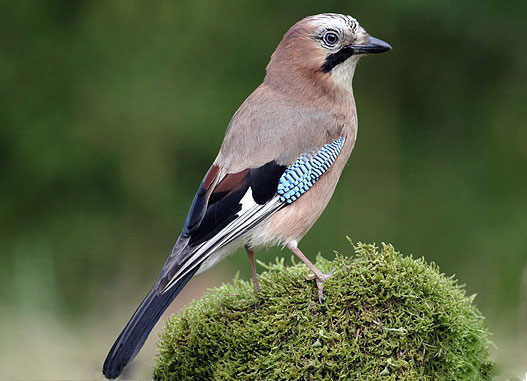
Jay walking - and squawking

Currently I hear jays calling every time I go up to Filnore Woods.  They are pretty secretive birds (except fot the yelling) so you rarely get as good a view as this.  The pinky grey plumage and the black moustache are surpassed by those beautiful blue feathers on the side of the wing.  In times past one of those feathers or even a whole jay's wing was used to decorate lady's hats.  


The most I ever see is a silhouette scudding from tree to tree squawking angrily.


I don't know why they sound so cross.  There are plenty of acorns to go round.  This is their favourite food and because they cache stores of acorns in the ground for winter snacks, jays are responsible for planting scores of oak trees.

Thanks, Jays.

Try this video to hear that raucous call.


You can hear and see two jays scolding a magpie which chatters a few times in the background.

Sunday, 29 December 2019

Hazel - a promise for the New Year

Reliably the hazel catkins, in their unexpanded form, are ready for blooming in January, when they will be at least twice the length and golden with pollen.


Unfortunately my phone camera always focuses on the background when I try to take tiny things.


Monday, 23 December 2019

Guerrilla tree dressing


One of our Scots pines has acquired some tinsel and a bauble, 
placed there by some jolly person.


   Feel free to add some more if you are passing.

Maybe it was in imitation of Chris Packham's  'stand for the trees'  video.


Sunday, 22 December 2019

Our stream

 Our stream, which rises on Mount Pleasant Farm is usually dry through the summer but at this time of year it flows so ferociously that it can surge over the track, eroding the repairs to the bank.


 In the left photo the water is nearly up to the top of the culvert entrance.  After the blockages were removed it was a bit better but there is still nearly too much water for the culvert to cope with.  You can see the puddle on top where the water was previously pouring over.


Then it travels on past the Paddock and the Sort-it Centre, 


past the Industrial Estate and down Vilner Lane by the Community Compost Site (currently closed due to lack of funds.)


Then it merrily pours under the gate into Vilner Lane Wood, which safely absorbs the flood water.


Could you let me know whether the videos worked?


Friday, 20 December 2019

Prowling for Owls

What are all these people doing in the woods at night?


This was one of the four nights we hosted cub packs from Bradley Stoke Cubs on an owl prowl, led by Ian Mcguire of 'Wild Owl'.


Ian imitated the owl calls and played recordings of them so that the owls responded, looking to see who was trespassing on their territory.  When they flew over us Ian shone his very powerful flashlight and we could see the bird flying to a new perch in a nearby tree.


He also told us a lot about British owls at various stops round the woods.  It was quite exciting walking round quietly in the darkened woods.   Ian says that keeping some of our grassland long encourages voles and that's what the owls like to eat.

And here is a five minute video about tawny owls by Ian McGuire, our guide on the night(s).  If you don't want to listen to it all, the calls we heard are featured at the beginning.


Wednesday, 18 December 2019

All der year round

An excellent source of food for finches especially siskins, are the conelets of all three alder species found in the UK.  Common alder and grey alder produce large bunches of small conelets full of tiny seeds. 
(In the picture below the leaves are ivy and the bark is grey poplar)


Whereas the Italian alder has larger conelets but not so many in a bunch.


They are called conelets because they look like fir cones but alders are clearly not coniferous (bearing cones).  Here are some more Italian Alder conelets with the right leaves and bark, photographed in Vilner Lane Wood.


It's an old joke - or a way of remembering - that alder trees keep their conelets on into the winter until the new green conelets develop the following year so they can be recognised by having conelets on 'all der year round' (boom boom)