Saturday, 20 August 2022

RAGWORT

The yellow daisy flowers of ragwort are a rich nectar source.  


The raggedy leaves gave the plant its name.


Here's a majestic specimen just below the viewpoint . . . . .


. . . . . with bees harvesting as each new flower opens.


It is also the foodplant of the cinnabar moth's yellow and black striped caterpillars, so we usually leave the plants until the caterpillars have finished with them.  It's then time to remove them as they can seed into neighbouring fields and contaminate any hay or silage.  We must always miss a few as they seem to reappear every year.


Friday, 19 August 2022

SCABIOUS

A group of  field scabious with ragwort and knapweed in the background.  


The scabious flowerheads can contain up to 50 little flowers with the outer ones having longer petals than those in the centre. 


 The stamens stand up like pins but wither before the stigmas mature.  This ensures that they do not self-pollinate.


The flowers are rich in nectar and are visited by bees and butterflies.


Because the stems are covered in scabby scales it used to be thought, according to the doctrine of signatures, that it would be a good cure for the skin condition scabies; hence the name.


Thursday, 18 August 2022

SURVIVING THE DROUGHT

Amidst the bleached grass a few wildflowers are still hanging on.

The tiny pink flowers of storksbill


Dandelion-related autumn hawkbit (I think,  -  these hawkbits, hawksbeards and hawkweeds are notoriously difficult to sort out)
   

And yarrow with its ferny foliage, the precursor of all the pretty Achillea varieties in our gardens.


Wednesday, 17 August 2022

SWIFTS HAVE GONE; MARTINS STILL HERE


 This year we have had three house martin nests on the end of the Cossham Hall.  Below each nest is a pile of droppings.  Some people object but I think it is a privilege to still be valued by these birds.


They build their nests on the ends of the roof purlins, using beakfuls of mud.

   
I saw about a dozen over the High Street yesterday- presumably parents and offspring.  Soon they will be off to Africa.

Swifts, on the other wing, have already left us.  They mate for life and always return to the same nest site each year, which is usually in a narrow space in the roof of a church or house.

There is one such nest in the Age Concern building in the High Street.


I have seen the adult bird squeezing under the fascia board directly above the Age Concern notice.

 unable to fit the arrow on the photo

Unfortunately both these buildings are likely to be 'developed' or demolished by Thornbury Town Council who need to change it all to housing as they need the money.


Tuesday, 16 August 2022

AUTUMN IN AUGUST


 Poplar trees at the top of Streamleaze are shedding their yellowing leaves.  I don't think they are dying, or shutting down early for winter.  By dropping leaves they lose less water during this hot dry weather so it is a water saving precaution.

I wonder why other species of tree are not following suit.

Monday, 15 August 2022

SELFHEAL


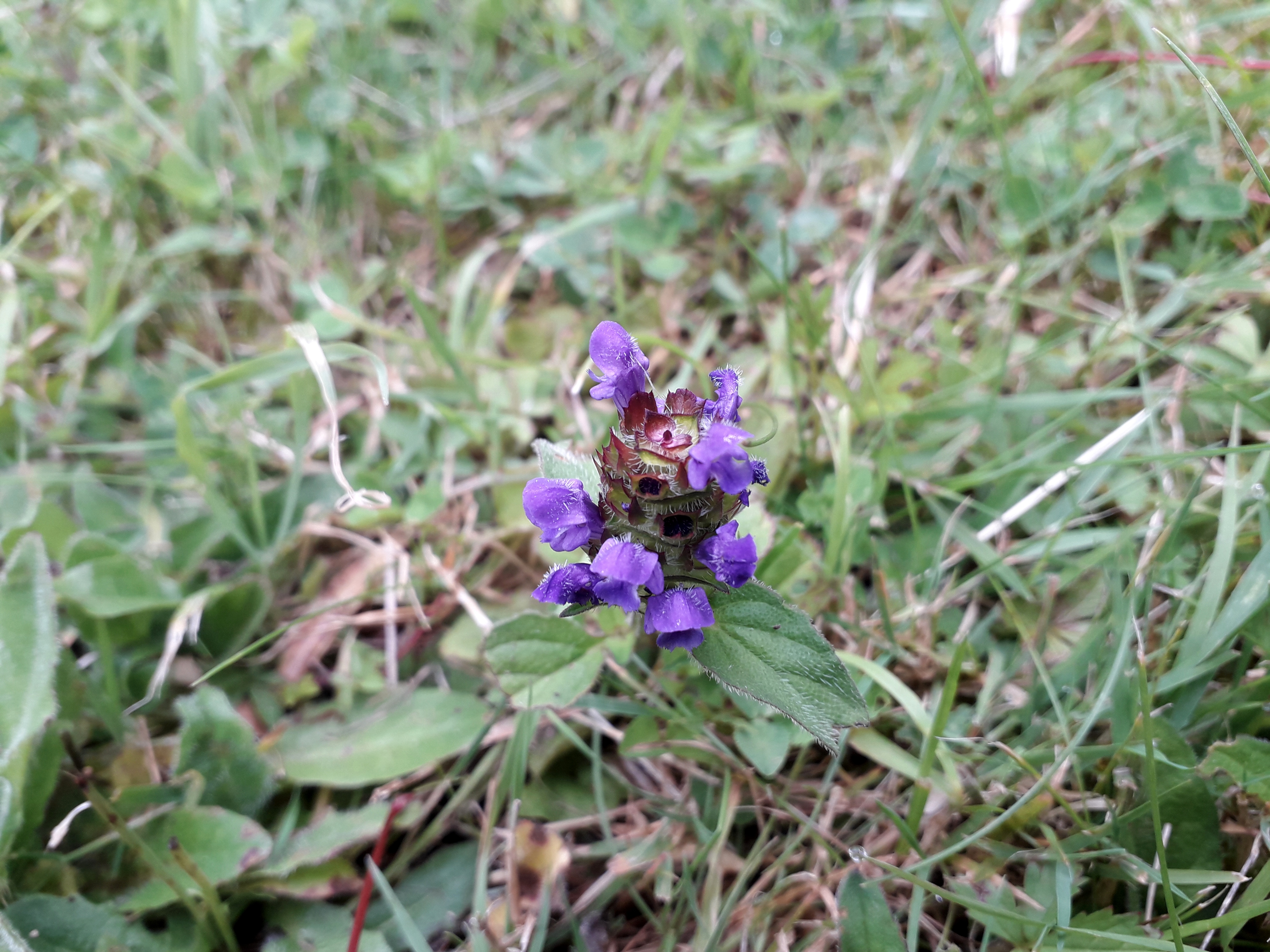
Selfheal is at it's most striking in slightly longer grass . . . 


 . . . but in mown grass, such as a garden lawn it is a series of purple studs. 


It produces copious seed but also spreads by means of long creeping stems that root easily.


Sunday, 14 August 2022

LADY'S BEDSTRAW

We all know about Goosegrass, Cleavers or Sticky Willy.  It's the one that sticks to your clothes -  stems, leaves and seeds endowed with velcro-style hooks.  


A more attractive relative is the bright yellow Lady's Bedstraw.   The leaves look similar but lack the velcro hooks of goosegrass.   When dried it has the scent of new mown hay due to a substance called coumarin.  Supposedly The Virgin Mary lay on a bed of this plant in the stable at Bethlehem, hence Lady's Bedstraw.


It's quite common in fields at this time of year, standing erect among the grass.


The white version found sprawling on hedgebanks is Hedge Bedstraw.


And the most fragrant member of this genus is Woodruff, used to flavour young white wine (Maiwein) in Germany.  It flowers in May.

Photo: Alan Semper on Naturespot website

Typical of the genus are the narrow leaves in whorls all round the stem and the clusters of small, four-petalled flowers.